This site is under construction. In the meantime, check out our page about B.C. bees.

Elizabeth Elle Ecology

Empowering gardeners through ecology

Elizabeth Elle Ecology

Empowering gardeners through ecology

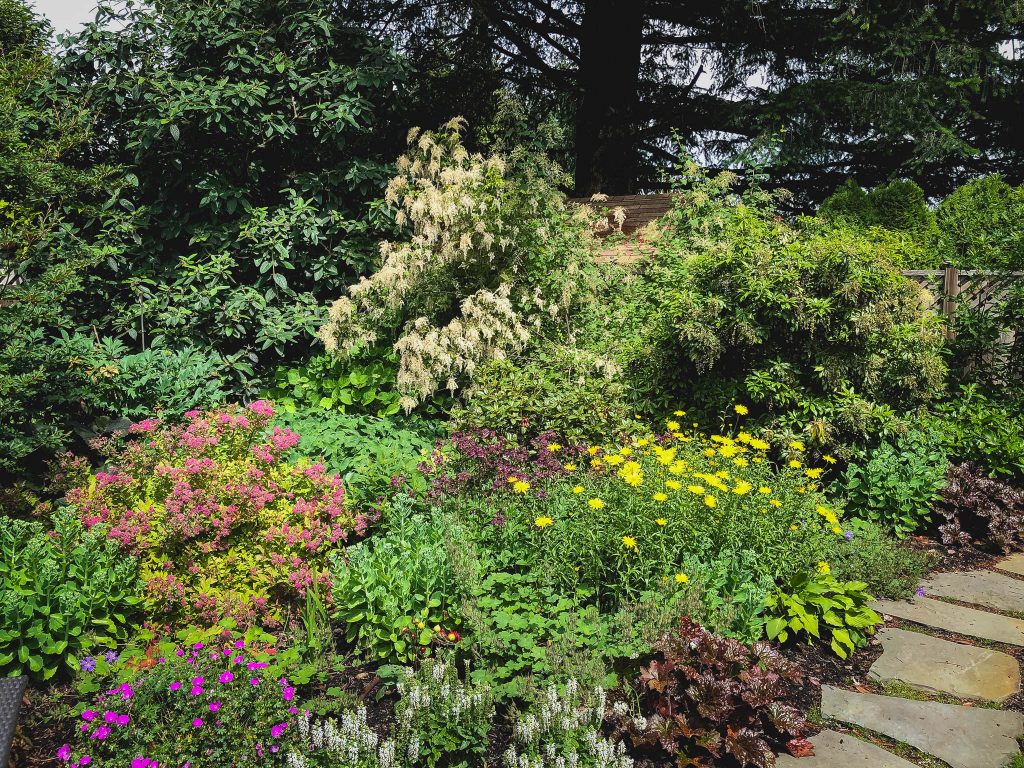
Your garden is an ecosystem: a collection of organisms and the environment that interact to make a well-functioning whole.

Gardening is easier when you leverage the predators, pollinators, and soil recyclers that live in your backyard.

Ecological gardening also contributes to species conservation, an important goal in an era of significant species loss.

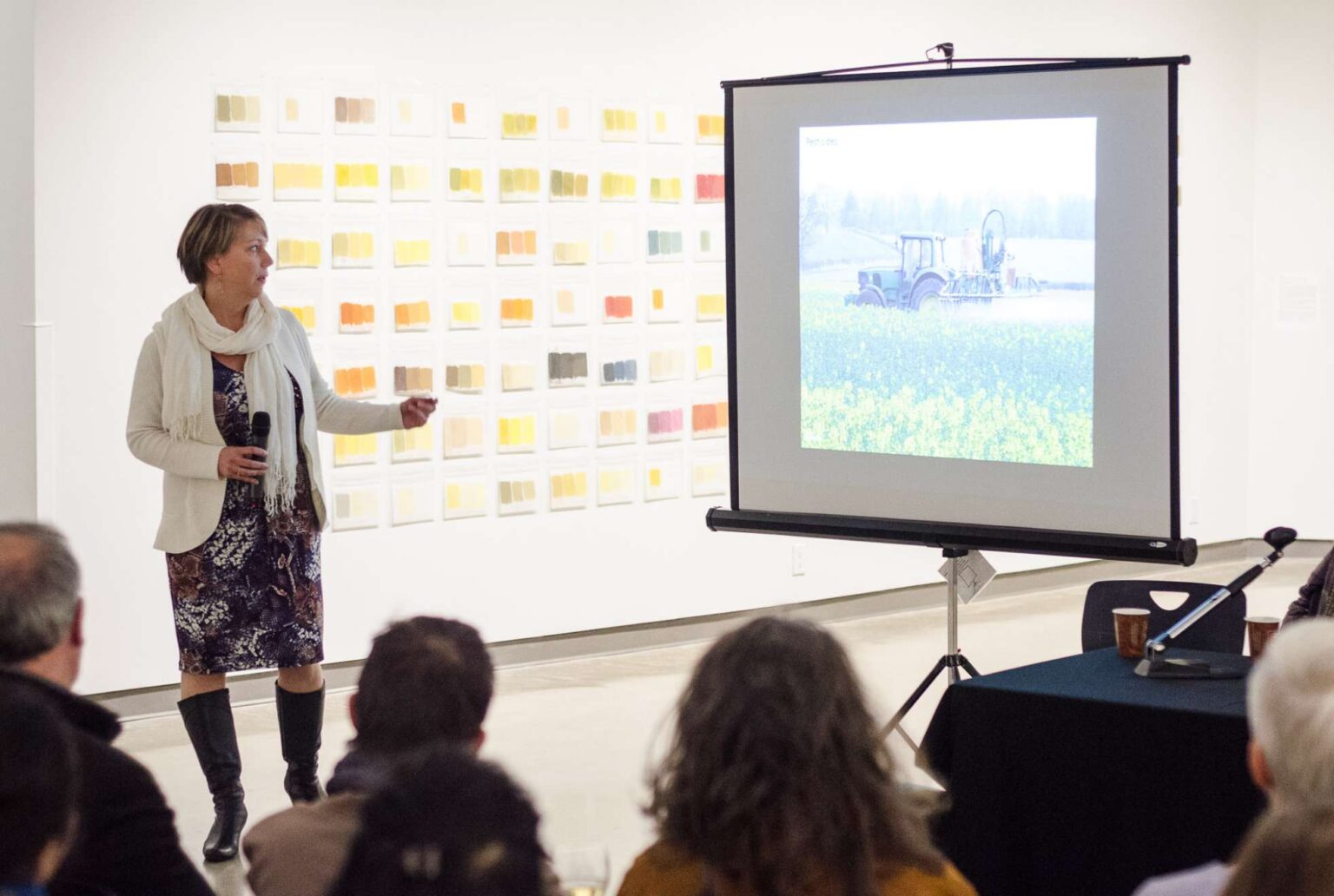
Elizabeth works to translate the science of ecology to assist you—the public and land managers—in biodiversity-supporting gardening and restoration practices. If you are interested in a consultation or presentation, or in having your garden considered for Elizabeth’s research projects on backyard biodiversity, please reach out at elizabethelleecology@gmail.com.

Elizabeth Elle is a conservation ecologist and Professor at Simon Fraser University. Elizabeth has been studying interactions between plants and insects (mostly pollinators, but also herbivores and predators) in farms, natural areas, habitat restorations, and gardens of BC for 25 years.

Presentation Topics

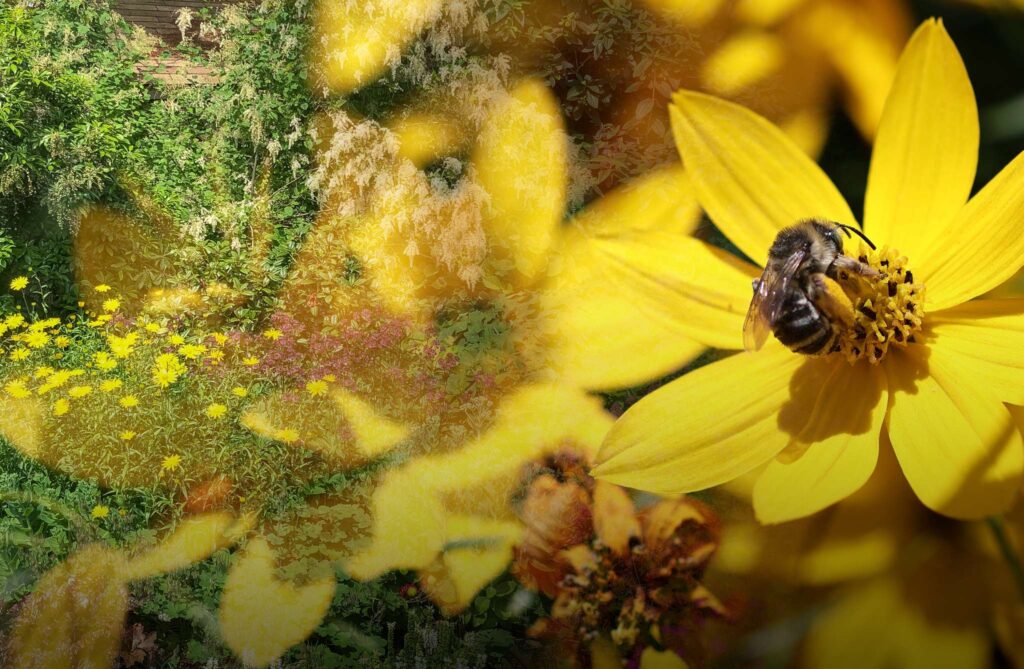
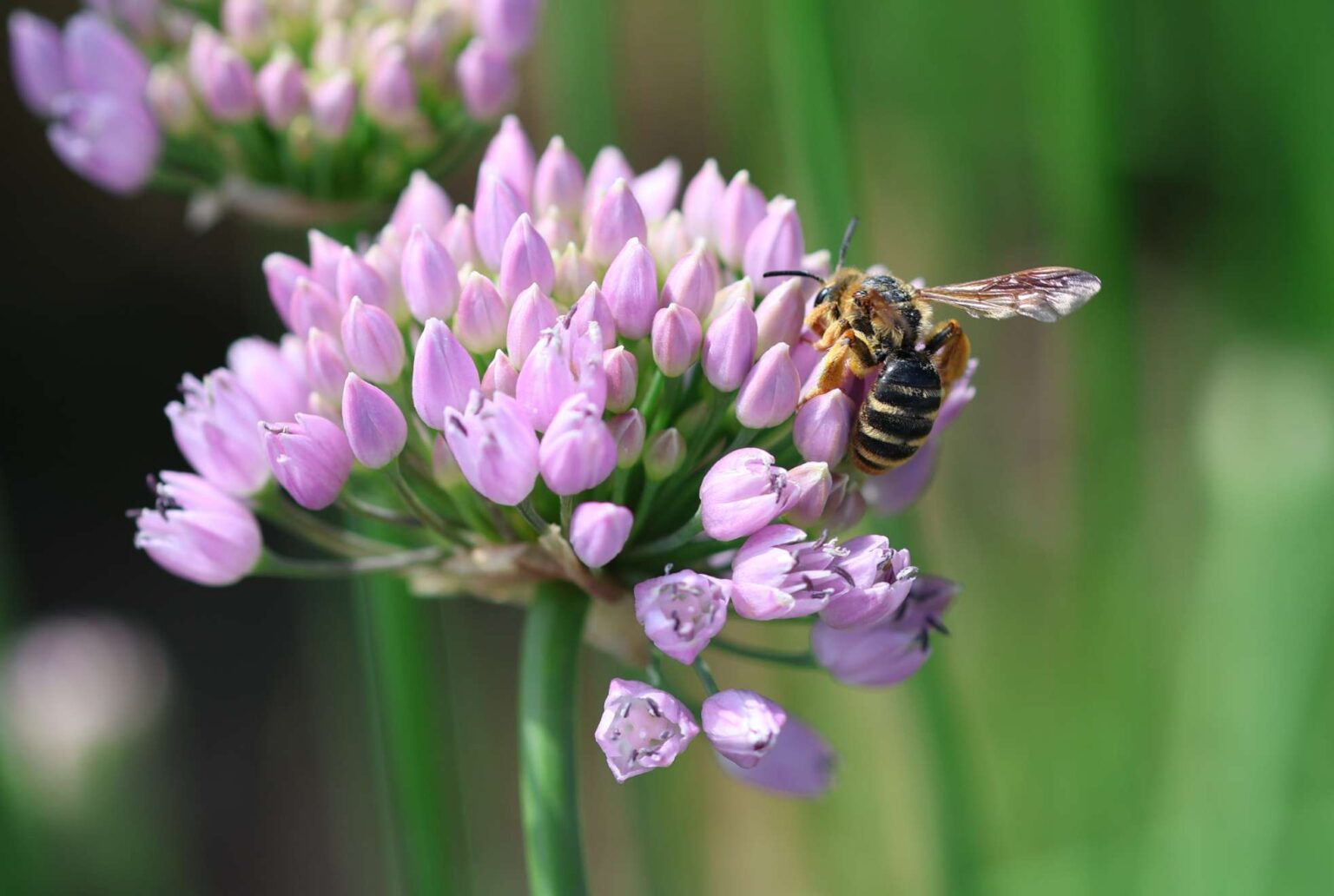
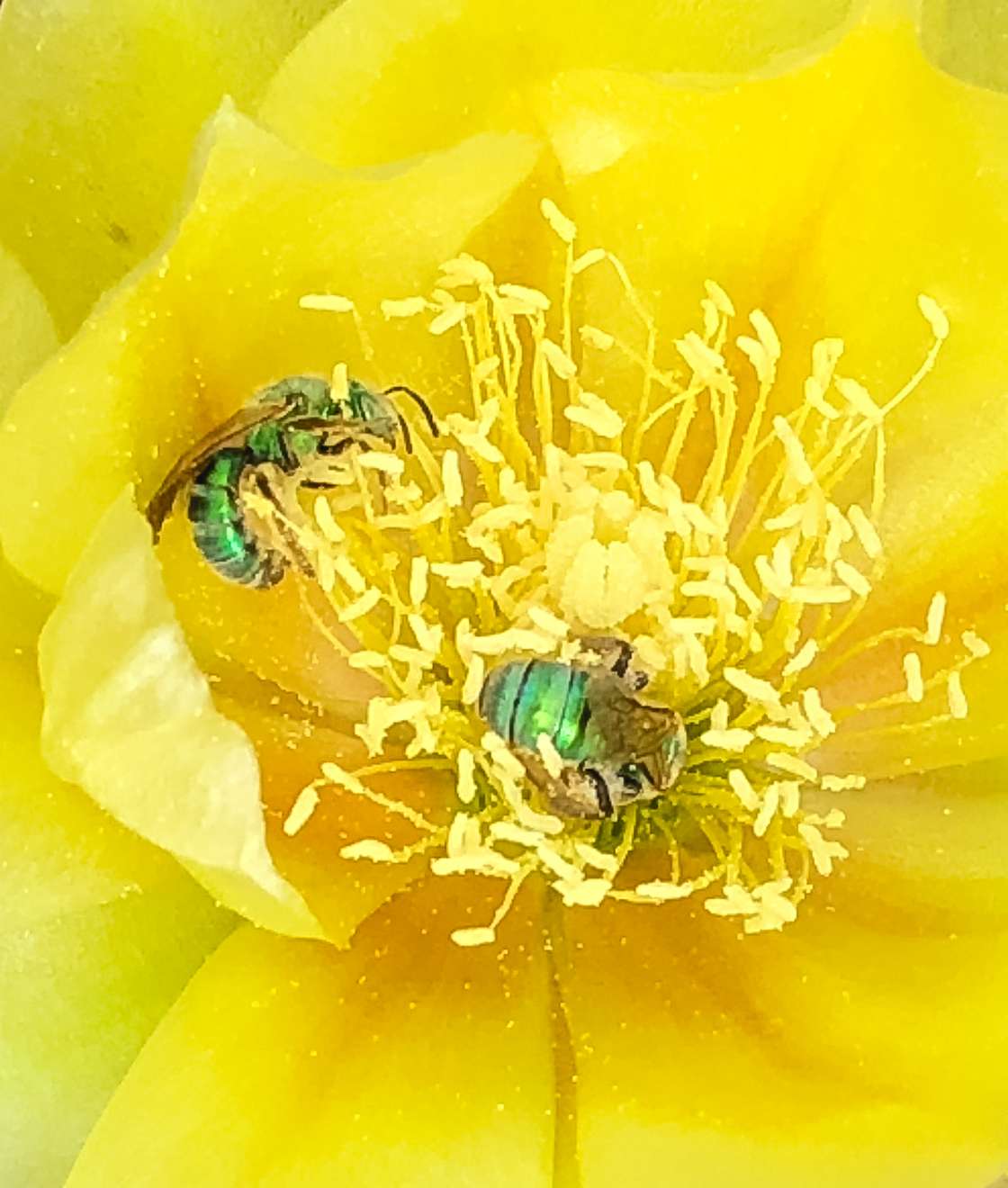
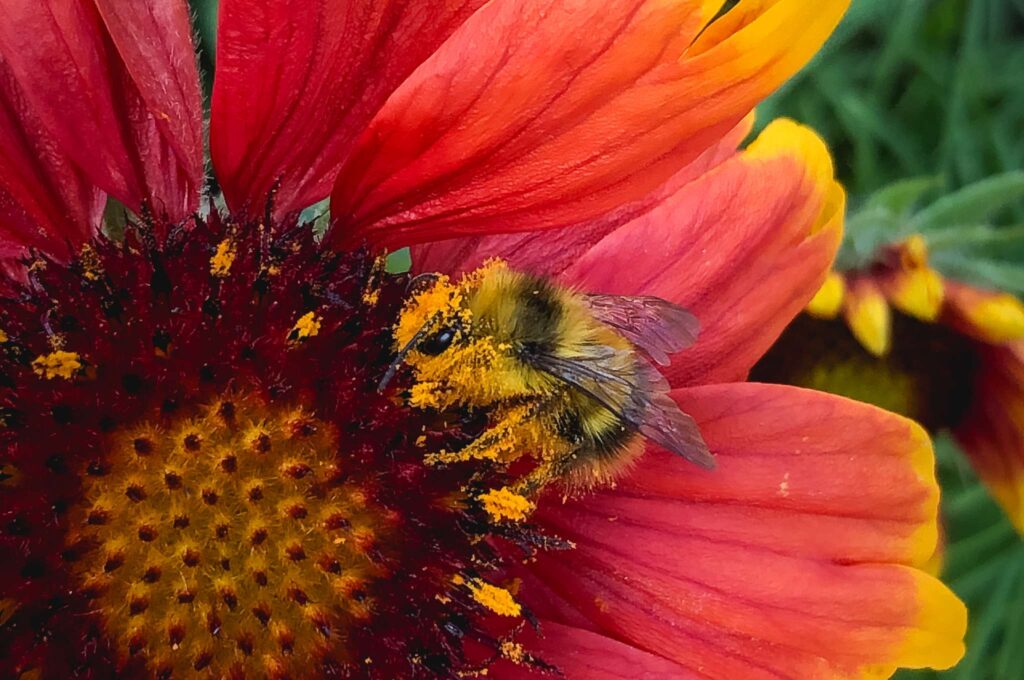
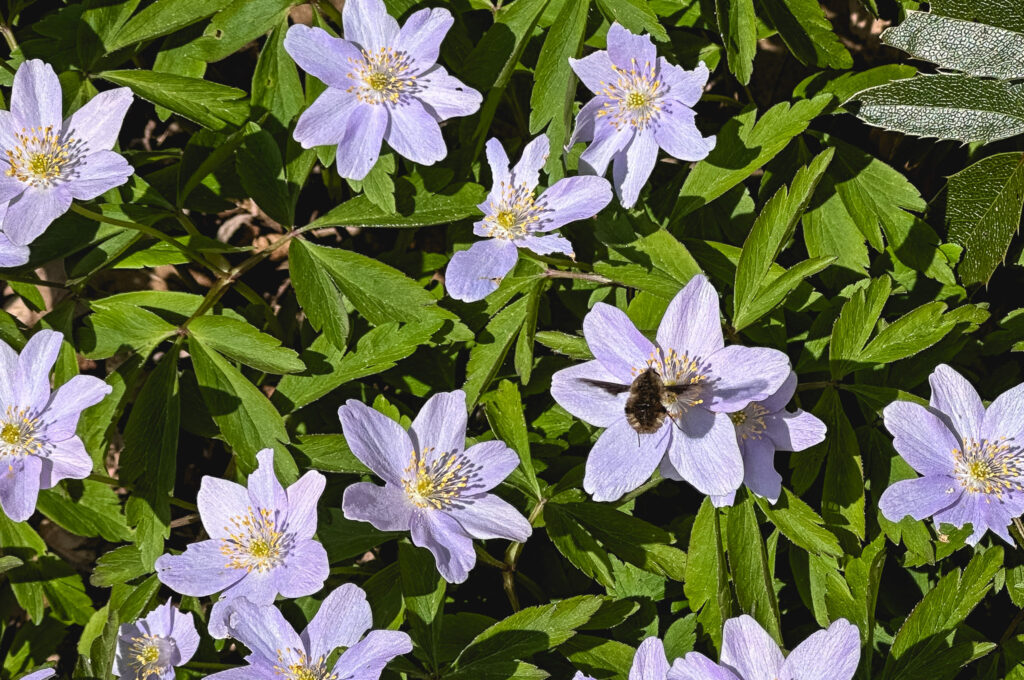
Have you ever paused to consider how much we owe to pollinators? About one out of every three bites we eat, not to mention the reproduction of native and ornamental plants! The pollination workhorses are the almost 500 species of native bees in BC. There is also an incredible diversity of flower-visiting flies, not to mention the flashier flower visitors like butterflies and hummingbirds. This presentation is a fun introduction to the diversity and natural history of bees and other pollinators, full of photos of what you might see visiting flowers in your own backyard.

You may have heard that pollinators are in decline. This presentation will give you a brief introduction to the pollinators of BC (bees, flies, butterflies, and more!), provide context for why some of them are in trouble, and give advice on what you can do to support them: plant a garden! You’ll learn how to look at flowers like pollinators do, get some ideas for pollinator-friendly plants for our region, and learn about best practices for your garden that support beneficial insects like the bees!

Fall garden cleanup used to mean pruning, raking, and generally making everything clean and tidy for winter. The “rules” around cleanup were supposed to ensure control of pests, diseases, and weeds. More recently, we are being told this is a big mistake, and we shouldn’t remove leaves, spent perennials, and branches in fall because it will be bad for bees, butterflies, and other beneficials. What is the real answer?

This presentation will provide you with an understanding of the beneficials in your garden, and how they use the space over the calendar year, especially during the winter months. You will learn what garden cleanup can look like in fall and spring so it supports beneficial insects and a healthy soil, while still controlling diseases and weeds. Our focus will be on practical advice for our gardens here in the Pacific Northwest.

Urban and suburban gardens can be important reservoirs for biodiversity, contributing to conservation efforts. But did you know that maintaining biodiversity in your yard also makes gardening easier? Beneficial organisms create healthy soils, and provide pollination and pest control. A lighter touch (dare I say, lazy gardening?) and other small tweaks to your practices can lead to a more resilient, productive, and thriving space.

The dizzying array of flower shapes, colours, and scents isn’t for our enjoyment: it’s the evolutionary response to the particular problem of finding a mate when immobile. In the 18th century, when the sexual systems of plants were first described, botany was even considered too risqué for polite society. In this presentation you will learn about the fascinating diversity of mating systems and pollination syndromes in plants, including some outright bizarre solutions plants have adopted in response to the pollination problem. You may never look at flowers in quite the same way again.